
Achievement Passport

A verified record of real achievement, owned by the child

The Achievement Passport is not a scoreboard. It is a durable, portable record of things a young person genuinely made, learned and demonstrated — each entry checked by an adult who actually saw the work.

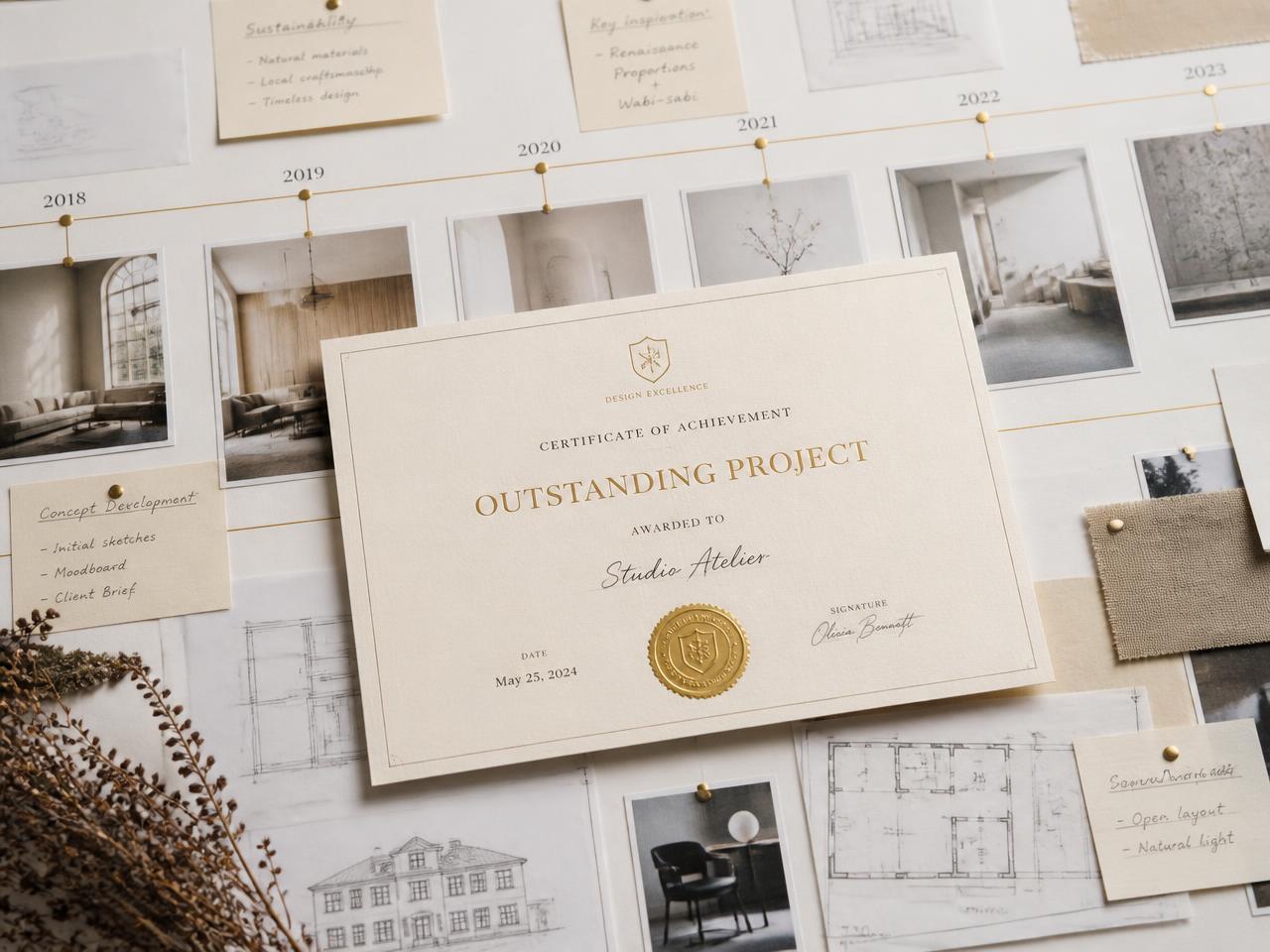
An achievement certificate with a gold seal laid over a project timeline
Illustrative example

What it is

Recognition with someone standing behind it

Every entry in the Achievement Passport can be traced back to real work and a real person who verified it. That is the entire point: it is evidence, not decoration.

Guardian-gated

Nothing reaches the passport without a guardian first agreeing the work can be shared and recorded.

Teacher-verified

Verification comes from an educator with a genuine relationship to the work, not an automated scoring system.

Owned by the child

The passport belongs to the young person. It is private by default, travels with them through school changes, and at 16 they choose item by item what moves into the Alumni world.

How an entry is built

The evidence timeline behind every achievement

Before anything is recorded, it travels through the same six stages — visible to the family and, once shared, to the verifying teacher.

  1. 01

    Drafts

    Early, unpolished versions of the work, kept rather than discarded.

  2. 02

    Decisions

    The choices made along the way — what changed, and why.

  3. 03

    Feedback

    Constructive comments from a named adult with a real relationship to the child.

  4. 04

    Guardian approval

    Explicit permission from a parent or guardian for the work to be shared and considered.

  5. 05

    Teacher verification

    An educator who genuinely reviewed the work confirms the skill it demonstrates.

  6. 06

    Recorded achievement

    A dated entry written to the Achievement Passport, with the evidence still attached.

A teacher and a student looking together at printed project evidence and sketches
Evidence review

Teacher verification

What verification means — and what it is not

Verification is a professional judgement, not a mechanism. A named teacher or recognised educator reviews the drafts, the decisions and the feedback, and confirms that a specific skill was genuinely demonstrated.

It is

A deliberate, human judgement, made by someone who reviewed the actual evidence behind the work.

It is not

An automatic badge for activity, and not a score, streak or ranking against other children.

What an entry contains

Evidence, not a badge icon

A verified achievement is a small dossier, not a single graphic. The card below is an illustrative example — no named people, schools or real submissions are shown.

Illustrative achievementVerified · example

Podcast series, three episodes

Skill demonstrated: planning, recording and editing a structured audio series, and revising it after feedback.

Issuer provenance
Verified class teacher, recorded with their role and school at the time of verification
Visibility
Private by default; the child chooses who sees it
Evidence attached
Running order drafts, recorded takes, feedback notes
Status
Revocable and auditable — every change is logged

A static illustration of how a verified entry is presented. It is not a real member achievement.

  • What was made, and in which discipline of the Creator Studio, a challenge or a club.
  • Who verified it — a named, school-affiliated teacher or recognised educator, not an algorithm.
  • Issuer provenance: the verifier's role and setting at the moment of verification, stored with the entry.
  • The date the achievement was verified and the context it was verified in.
  • A link back to the evidence: the drafts, the final piece, and any relevant feedback.
  • Guardian approval status, confirming the family agreed to the achievement being recorded.
  • An audit trail — an entry can be revoked or corrected, and that action is recorded too.

What a parent sees — and what stays closed

A guardian can see that an achievement was verified, what skill it recognises, and who verified it. That does not unlock the underlying project: the drafts and private working behind it stay in the child's own space unless the child puts them forward.

Turning 16

Selective transfer, never a wholesale copy

Moving into the 16+ Alumni environment is a deliberate act by the young person. Only the Passport entries and portfolio items they explicitly select move forward with them.

At 16, a young person chooses item by item what becomes part of their adult portfolio. Selected entries keep their evidence and issuer provenance, so they remain meaningful for further education, work experience or mentoring. Everything they do not select stays where it is.

  • Only explicitly selected Passport entries and portfolio items transfer into Alumni.
  • Private childhood drafts, wellbeing records and safeguarding material never transfer automatically.
  • Transferred entries keep their evidence and the provenance of who verified them.
  • Entries verified before 16 remain valid; nothing is re-verified or re-scored.
  • Selection is the young person's decision, made item by item rather than in bulk.

What it deliberately is not

No vanity badges, no leaderboards

The passport is designed to resist the incentives that make many gamified platforms unhealthy for children.

No automatic badges

There are no achievements awarded purely for logging in, streaking or clicking through content. Every entry requires a human to verify real substance.

No public leaderboards

Aurelia does not rank children against each other by achievement count. The passport is a personal record, not a competition.

See how the whole system connects

The Achievement Passport draws its evidence from the Creator Studio and from Challenges and Clubs. Explore how work becomes a verified record.